
Your web browser is out of date. Update your browser for more security, speed and the best experience on this site.

Update your browser

About

The Access to Justice Commission

The Court created the Access to Justice Commission in April 2009. The Commission is made up of fourteen members as of 2026. They volunteer their time to help improve access to justice in Tennessee. The Court appoints Commissioners to serve staggered three-year terms. Each member may only serve for two consecutive terms. The Court directed the Commission to include how it will educate the public about the legal needs crisis, identify priorities for improving access to justice, and recommend projects and programs to enhance access to justice.

The Commissioners represent all three grand divisions of the state.  Justice Mary L. Wagner serves as the Court’s liaison to the Commission. Currently three Commissioners are a judge, nine Commissioners are lawyers, and two are community leaders. The membership is diverse in ethnicity, gender and geographic. Each Commission member has a strong background in public service initiatives.

Defining the Problem

In any year, over one million low-income and vulnerable Tennesseans have a legal problem that would qualify them to get help from legal aid. But there are only about 100 legal aid attorneys in our State. These extremely dedicated legal aid attorneys simply can’t help this many people.

The result is an urgent gap between the need for legal help and available legal resources. The Court is trying to reduce the civil legal needs gap through its access to justice initiative.

Addressing the Problem

The Access to Justice Commission’s mission is to provide collaborative leadership to create solutions and resources that address and eliminate barriers to justice for all. The Commission works closely with bar associations, legal aid providers, legal service organizations, non-profits, courts, faith-based organizations, and community partners to carry out its mission.

The Commission maintains four overarching goals to address the civil legal needs problem in Tennessee:

  1. To involve more lawyers and law students.
  2. To provide educational opportunities and resources for policymakers, self-represented litigants, the community, lawyers, court personnel, and others.
  3.  To make the justice system more user friendly.
  4. To remove barriers to access to justice, including disability, language, literacy and geography.

ATJ Commissioners:

Eric Osborne

Chair
Nashville, TN

Sara Barnett

Vice-Chair
Jackson, TN
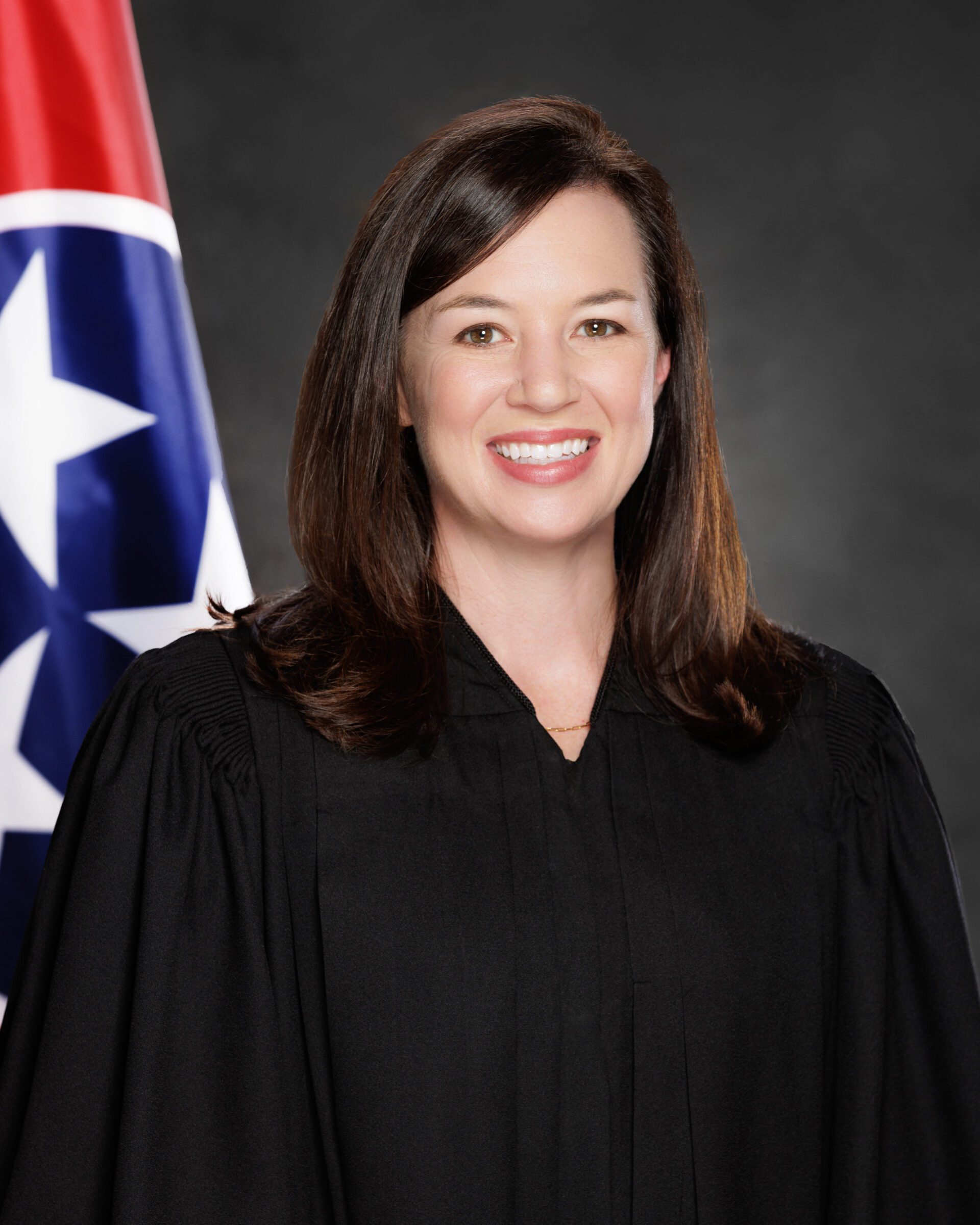
Justice Mary L. Wagner

Supreme Court Liaison

Kendra Mansur

Vice-Chair Elect | Chattanooga, TN
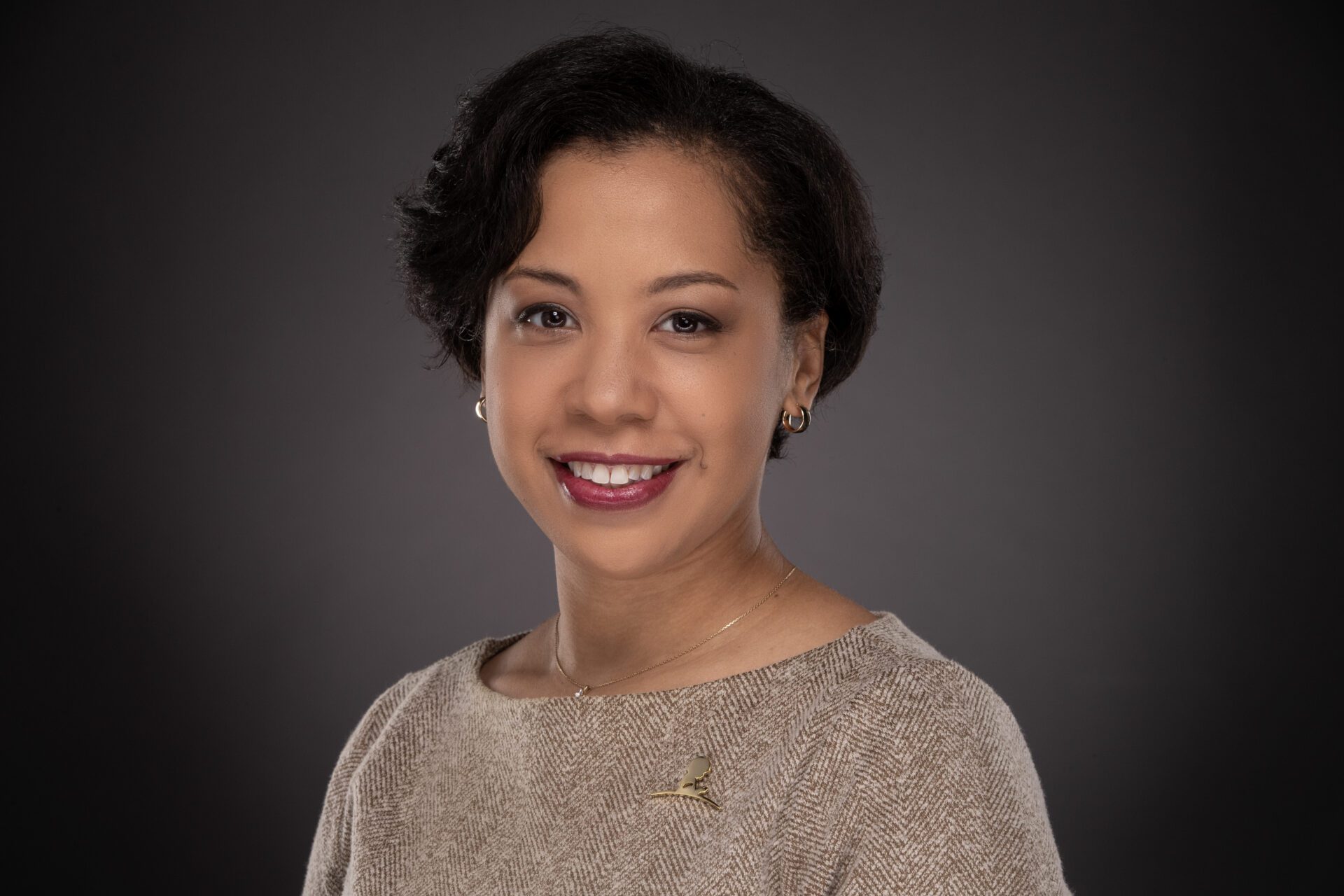
Jennifer Sneed

Memphis, TN
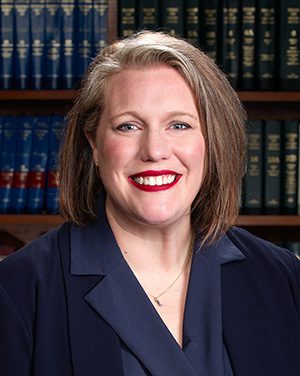
McKenna Cox

Johnson City, TN

Judge Dwight Stokes

Junaid Odubeko

Nashville, TN

Nathan Kibler

Knoxville, TN

Adolpho Birch, III

Nashville, TN

Lindsay Theobold

Union City, TN

Laura Brown

Nashville, TN
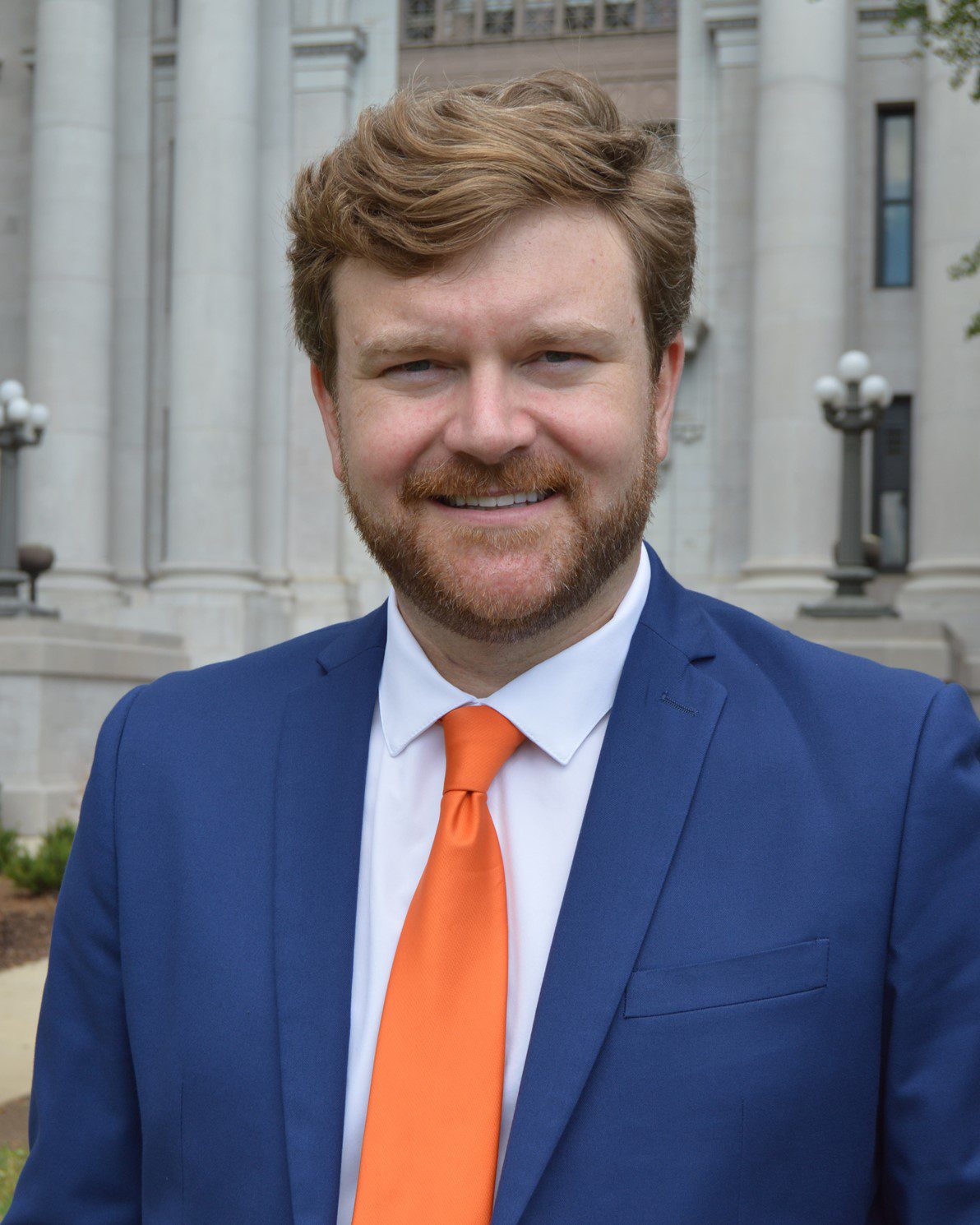
Judge Alexander McVeagh

Chattanooga, TN

Chancellor James "J. B." B. Cox

AOC Staff:

TBA

Director of Access to Justice and Strategic Collaboration

Kyle Stack

Pro Bono Coordinator

Alyvia Bush

Justice Bus Coordinator

Lanthe Klika

Digital Media & Staff Assistant